Assistive Technology (AssistiveTech): Empowering Independence Through Innovation

January 16 |

Discover how Assistive Technology (AssistiveTech) is transforming accessibility and empowering individuals with disabilities through innovative tools—from AI-powered communication devices to smart mobility aids. This article explores key technologies, real-world applications, and the future of inclusive design in education, workplaces, and everyday life.

In today’s hyper-connected world, technology evolves at lightning speed—but some of its most transformative impacts come from a field that doesn’t always make headlines: Assistive Technology (AssistiveTech). This growing sector is shaping the future of accessibility by giving people with disabilities new ways to learn, work, communicate, and navigate everyday life.

Whether it’s a pair of smart glasses that describe surroundings aloud, or AI-powered reading tools for people with dyslexia, AssistiveTech is redefining what’s possible.

In this article, we’ll explore what Assistive Technology really means, why it matters, and how innovations today are building a more inclusive tomorrow.

What Is Assistive Technology?

Assistive Technology refers to any device, software, or equipment designed to help people with disabilities perform tasks that might otherwise be difficult or impossible. It spans a wide spectrum—from simple tools like pencil grips to complex systems like eye-tracking communication devices.

AssistiveTech can be:

  • Low-tech: Magnifying glasses, grab bars, color overlays
  • Mid-tech: Audio recorders, adapted keyboards, reading pens
  • High-tech: AI speech generators, powered wheelchairs, screen readers, smart home accessibility devices

At its core, AssistiveTech empowers individuals to live, learn, and work more independently.

Why Assistive Technology Matters

According to global health statistics, over 1 billion people—about 16% of the world’s population—live with a disability. Without supportive technology, many face barriers related to education, employment, communication, and mobility.

AssistiveTech helps break those barriers.

Key benefits include:

  • Increased independence: Users can complete tasks without assistance
  • Improved communication: Devices give a voice to non-verbal individuals
  • Enhanced learning experiences: Students access content in ways that fit their needs
  • Greater workplace inclusion: Accommodations make jobs more accessible
  • Higher quality of life: Technology supports mobility, safety, and connection

In essence, AssistiveTech unlocks the world for people who might otherwise be excluded from it.

Types of Assistive Technology (with Real-World Examples)

1. Communication & Speech Technologies

  • AAC Devices (Augmentative and Alternative Communication): Touchscreen-based speech devices
  • Eye-gaze communication systems: Enables communication using eye movements
  • Text-to-speech software: Converts written text into spoken words

Ideal for individuals with speech impairments, autism, ALS, or cerebral palsy.

2. Mobility Aids

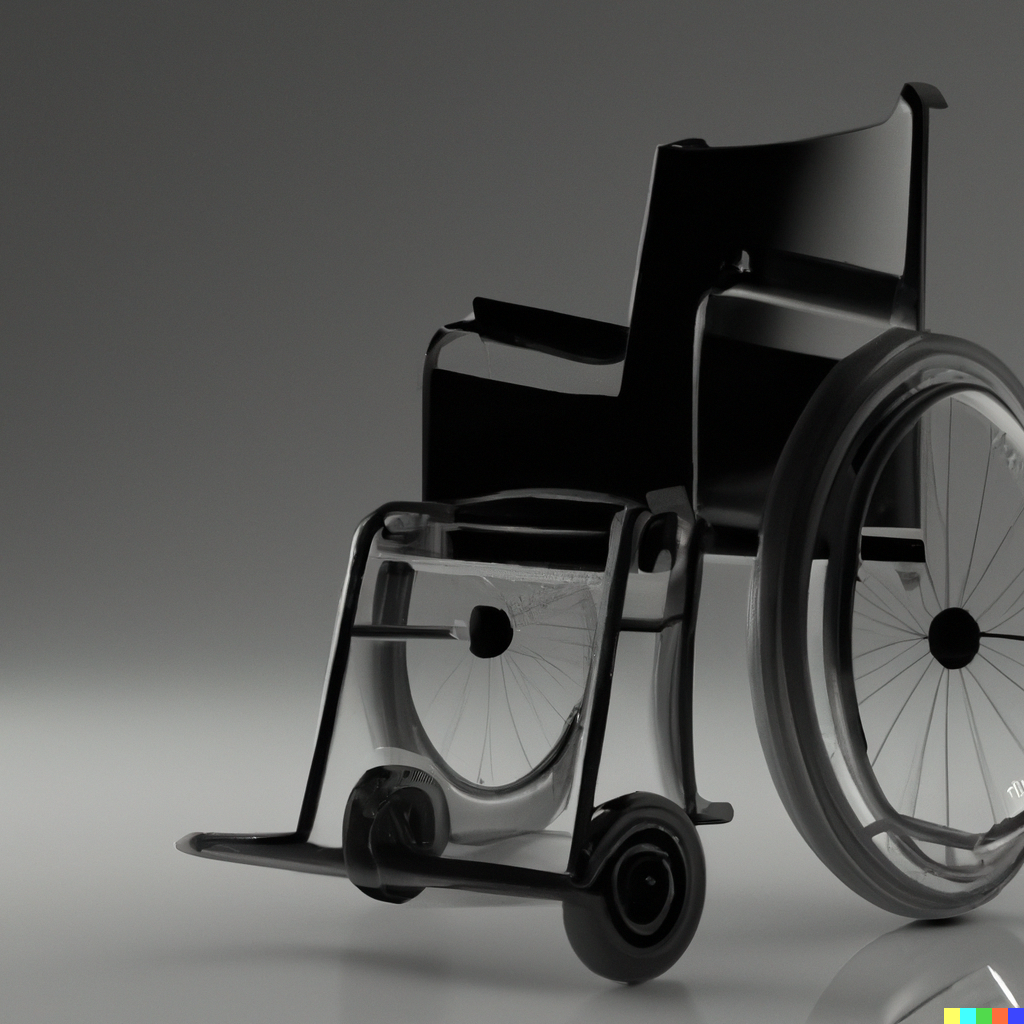
  • Powered wheelchairs with smart navigation
  • Exoskeleton suits that assist walking
  • Adaptive vehicles and driving supports

Empower people with limited mobility to move safely and independently.

3. Visual Assistance Tools

  • Screen readers like JAWS and NVDA
  • Braille displays and tactile tablets
  • Smart glasses that describe surroundings using AI

Critical for blind or low-vision users.

4. Hearing Assistance

  • Modern hearing aids with Bluetooth integration
  • Cochlear implants
  • Real-time captioning apps
  • Vibrating alert systems

Helps deaf or hard-of-hearing users access communication and alerts.

5. Cognitive Assistive Tools

  • AI reading assistants for dyslexia
  • Memory support apps for dementia
  • Task planners and visual schedules

Supports users with ADHD, autism, traumatic brain injury (TBI), or learning disabilities.

6. Assistive Technology for Education

  • Speech-to-text dictation tools
  • Adaptive learning platforms
  • Digital textbooks with accessibility features

Ensures learners of all abilities can thrive in classrooms.

How AI is Transforming AssistiveTech

Artificial Intelligence is ushering in a new era of personalized accessibility.

Some cutting-edge developments include:

  • AI companions that assist with daily reminders, conversations, and emotional support
  • Real-time object recognition in apps for visually impaired individuals
  • Smart home integration: voice-controlled appliances and routines
  • Predictive text and communication tools that speed up AAC use
  • Adaptive learning analytics that tailor education to individual needs

AI isn’t replacing caregivers or human relationships—it’s enhancing independence and breaking down long-standing barriers.

Challenges in the AssistiveTech Landscape

Despite rapid progress, challenges remain:

  • Cost barriers: High-tech devices can be expensive
  • Limited awareness: Many people don’t know what tools exist
  • Accessibility gaps: Not all tech companies prioritize inclusive design
  • Training needs: Users and caregivers often require guidance
  • Compatibility issues: Devices may not work well together

Solving these challenges will require collaboration between governments, educators, innovators, and communities.

The Future of Assistive Technology

The next decade of AssistiveTech will be shaped by:

1. Wearable Accessibility Devices

Smart watches that detect falls, monitor health, or translate speech.

2. Brain–Computer Interfaces (BCI)

Allowing individuals to control devices with their thoughts.

3. Fully Accessible Smart Homes

Homes that adjust lighting, temperature, and security through voice or gesture.

4. Mainstream Inclusion

More built-in accessibility features in phones, laptops, and apps.

5. Personalized AI Assistants

Individuals will have customized digital helpers optimized for their needs.

The future is not just about more technology—it’s about equitable access to technology.

Why Businesses and Schools Should Care

Accessible environments benefit everyone, not just individuals with disabilities.

  • Organizations can expand hiring pools
  • Schools can improve learning outcomes
  • Websites and products reach broader audiences
  • Companies enhance corporate responsibility and compliance

Inclusive design isn’t just a trend—it’s an advantage.

SHARE THIS:

© Copyright 2026Global Enterprise AwardsAll Rights Reserved